Thermal insulation

In our buildings with relatively thin walls in the frame carrier system, low cost heating and cooling, mold, perspiration, corrosion, etc. In order not to encounter problems and to live in healthier environments by minimizing environmental pollution, it is necessary to improve the thermal performance of buildings by using THERMAL INSULATION effectively. Two important terms used in the evaluation of the thermal performance of the building are temperature and heat. Explaining the difference between the terms temperature and heat is important in order to avoid misuse, which is well established in our country.
Temperature: It is a property of the substance that causes heat exchange and is independent of its mass. Its unit is Degrees Celsius (°C) or Kelvin (K).
Heat : The energy in conduction due to the temperature difference is called heat. It is not a property of the item. Its unit is Joule (J). When two systems with different temperatures come into contact with each other, a spontaneous heat transfer occurs from the system with the higher temperature to the system with the lower temperature. According to the explanations above, the temperature of a substance (air, wall, table, etc.) Because heat is not a property of matter, it is energy in conduction. Heat conduction occurs in the following three different ways.
By conduction: It is the heat conduction that occurs as a result of the collisions of atoms during their vibration. For this reason, heat conduction by conduction is mostly seen in solid objects. Convection (convection): In fluids (liquids or gases) with freely moving molecules, it is the heat conduction that occurs as a result of long-distance displacement of molecules. With radiation (radiation): It is the state of transmission of heat energy by radiation (electromagnetic waves) without the need for any intermediate carrier. Heat conduction is a time dependent quantity. Decreasing, increasing or remaining constant of heat conduction over time creates regimes of heat conduction. In the most general form, heat conduction regimes are divided into fixed (stable) regime and variable regime.
Heat Conduction at Constant Regime (stable regime): Steady regime is the heat conduction that occurs under the influence of constant temperatures. The amount of heat delivered in any two equal time intervals is always the same. In these conditions, only the thermal resistance of the element against heat conduction is important. The thermal resistance of the component or element is found by using the thermal conductivity values (?) and thickness (d) of the materials in the layers forming the element. The thermal resistance of each layer is calculated with d/?. Therefore, in order for a layer to have thermal resistance, it must have a significant thickness as well as a small thermal conductivity. In Turkish Standards and European norms, the heating energy requirement (winter conditions) is made according to the fixed regime principles.
Heat Conduction in Variable Regime: It is the heat conduction that occurs under the effect of variable temperatures. The amount of heat delivered in any two equal time intervals is variable. If the temperatures, and hence the heat flow, change periodically over time, it is called the periodic regime. The variation of the outside temperature is generally considered periodic. The periodic regime is based on the calculation of the cooling energy requirement (summer conditions).
An important need for the user regarding the building is to be able to understand the technical information about the building in a way that does not require special knowledge. In return for the money paid for the purchased building, providing an environment where people can live in a healthy and productive manner at the lowest cost is among the most important features that the consumer would expect from a building. It is possible for the consumer to change the interior decoration, doors and windows, accessories (door handle, sink, etc.) However, it is very difficult to change the technical characteristics of the building, which determine the environmental conditions in which it can live in a healthy and productive manner and with low usage costs (water, electricity, etc. bills, maintenance, repair bills, etc.).
THE PURPOSE OF THERMAL INSULATION IS NOT TO CONSUMPT ENERGY BY Compromising LIVING CONDITIONS; IT IS USING ENERGY EFFICIENTLY. THAT IS TO PROVIDE THE NECESSARY LIFE CONDITIONS WITH LESS ENERGY CONSUMPTION, LESS COST AND WITH LESS DAMAGE TO THE ENVIRONMENT.
Thermal insulation in buildings saves energy, reduces gas, soot and dust emissions and prevents environmental pollution. Wall, thermal bridges, floor and ceiling surface temperatures have important effects on the building envelope as well as interior comfort. Adequate insulation contributes to quality of life and helps preserve building fabric. A healthy and comfortable life is possible only in places with suitable heat and humidity conditions.
If a cost-benefit comparison is made, thermal insulation is an investment that is beneficial both ecologically and economically and that is recovered in a short time. However, it is important to examine the physical and technical principles of construction and to use high quality, suitable insulation materials.
As a result of the absence or insufficient thermal insulation in buildings, very high fuel consumption is required to provide thermal comfort, that is, the thermal conditions necessary for the users to be healthy and productive. Mostly, this consumption cannot be reached for economic reasons and •Besides the deterioration of the health of the users,
Sweating (condensation of water vapor in the air on the interior surfaces) or mold formations (condensation of water vapor inside the wall) are seen on the interior surfaces of the building. Corrosion may also occur as a result of this condensation on the bearing elements of the building, which is very important for the durability of the buildings.
- السعر
- السعر عند الطلب
- الشركة
- Karplus
- الفئة
- العزل الحراري
منتجات مشابهة
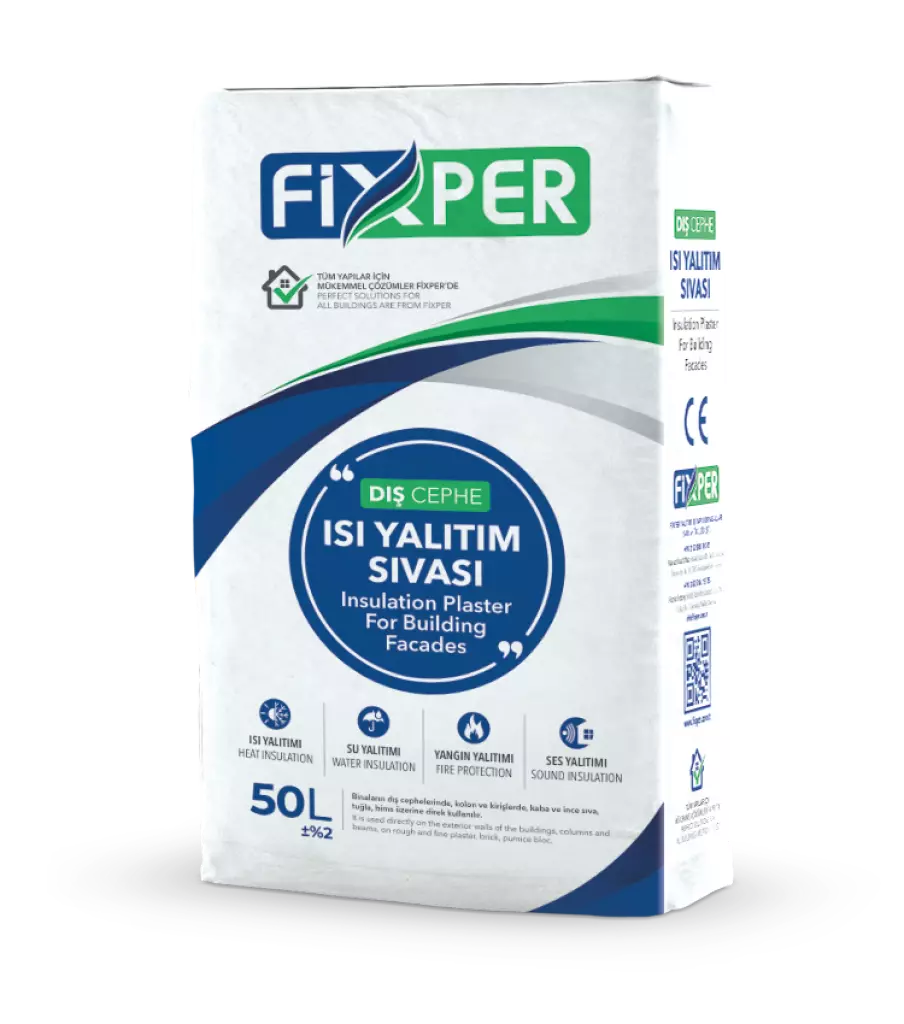 Insulation Plaster Fixper
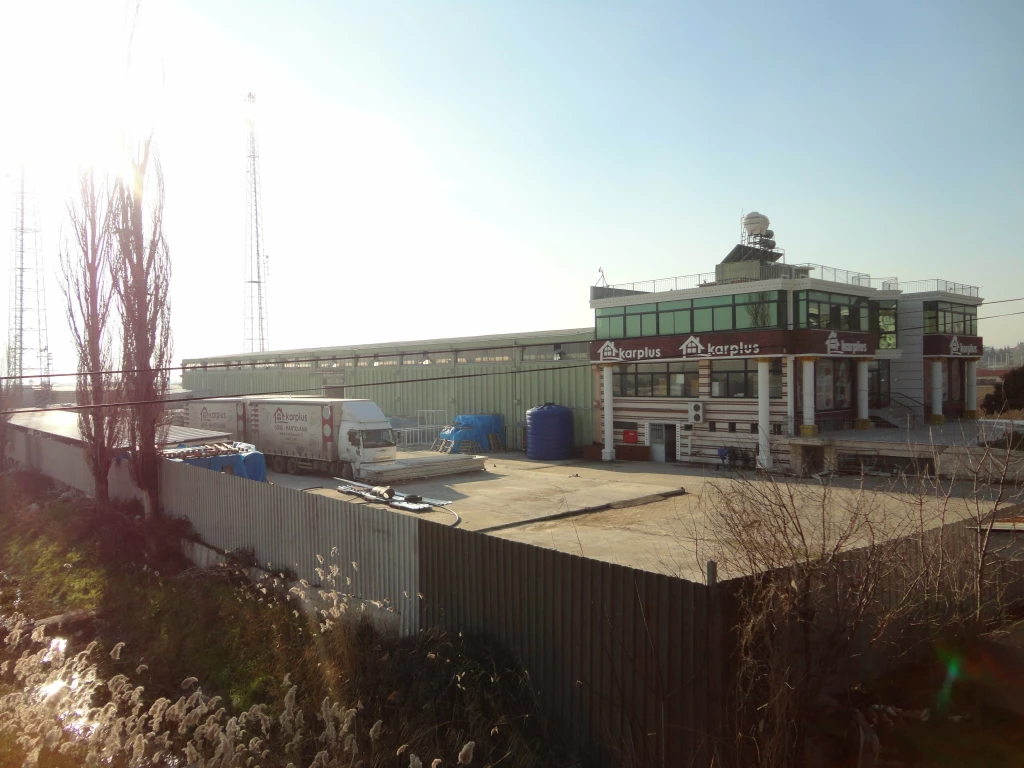 Karplıs Karplus
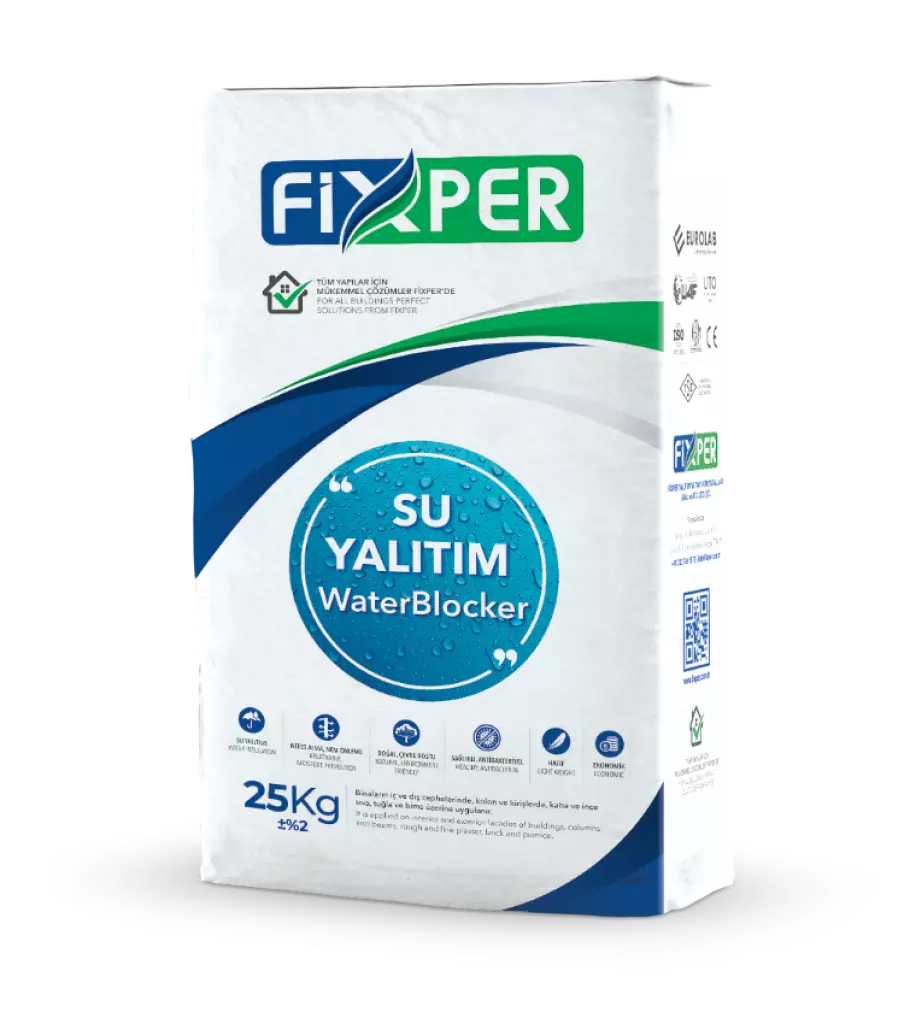 Cement Based 2K Waterproofing SET Fixper
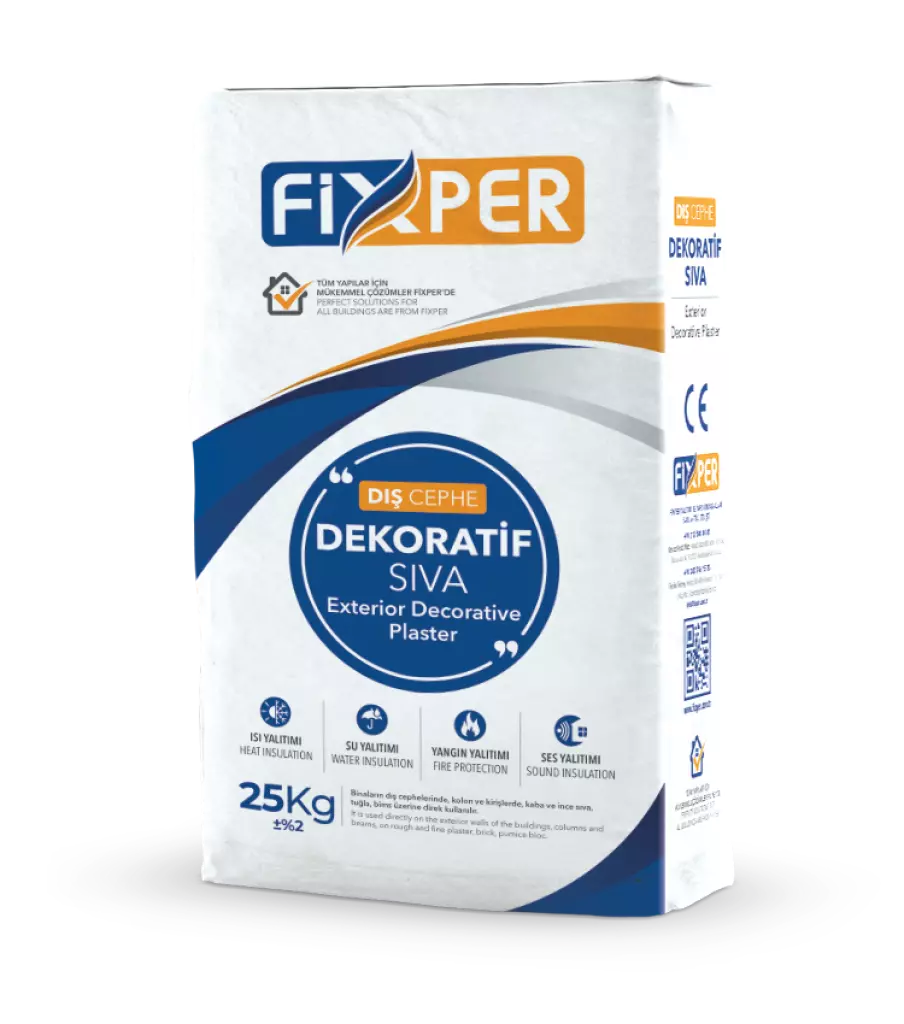 Thermal Fireproof Paint Fixper
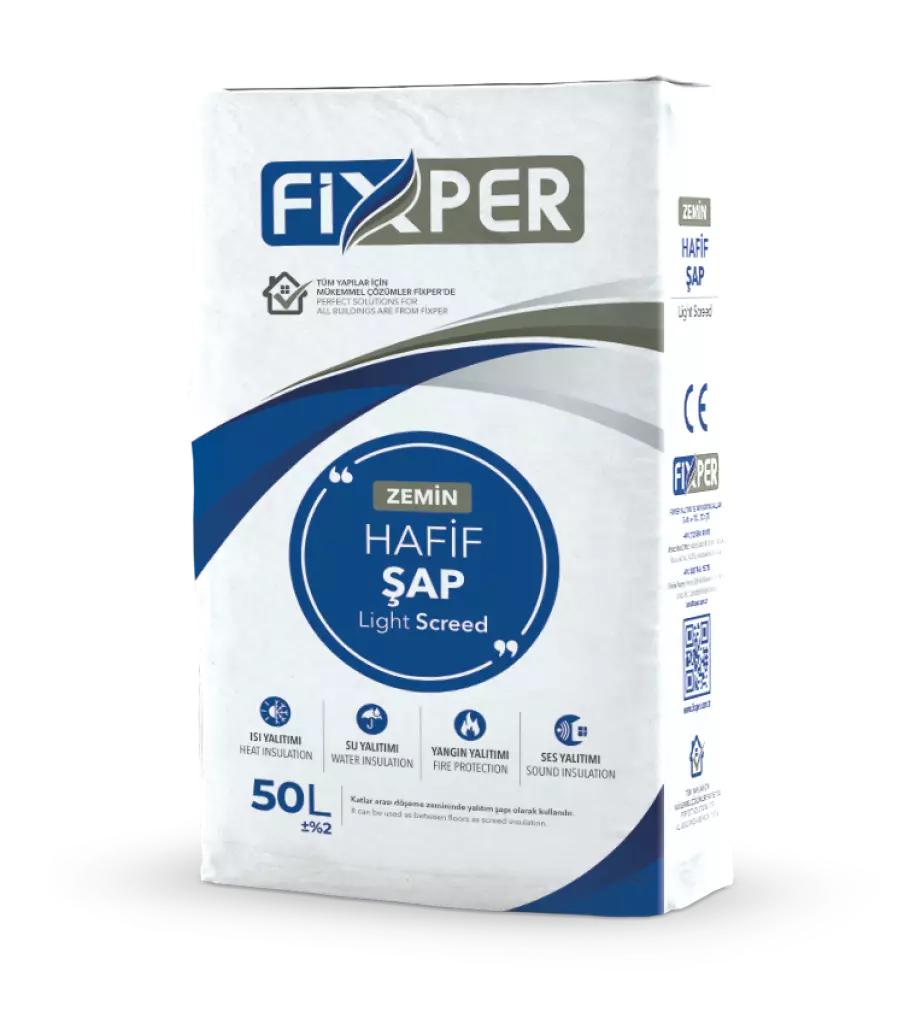 Insulated Light Screed Fixper
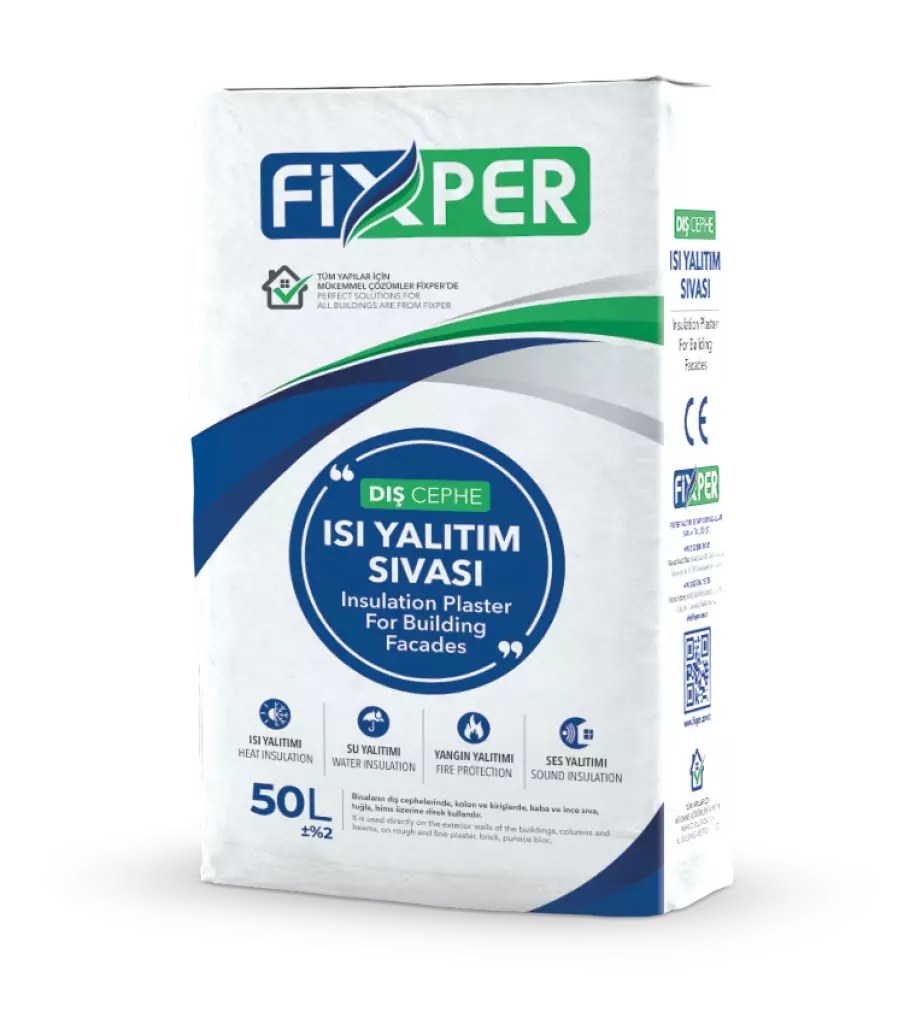 Insulation Plaster Fixper
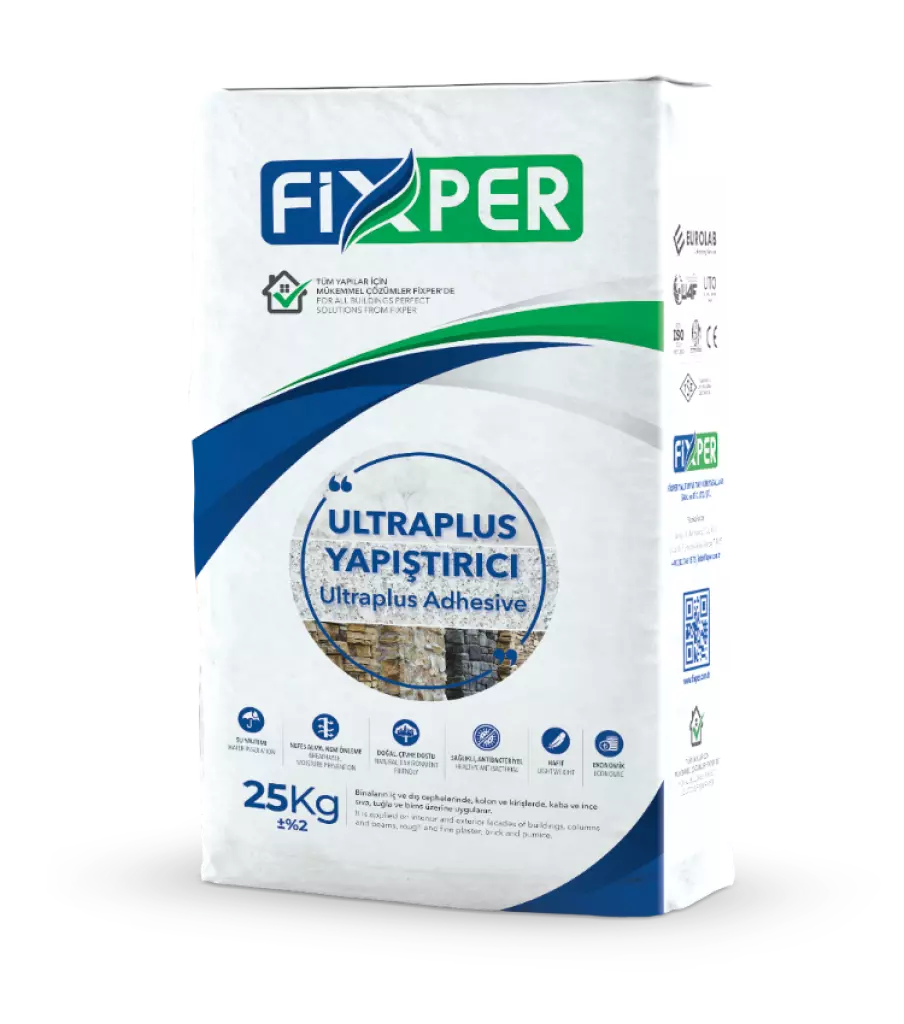 Ultraplus Adhesive Fixper
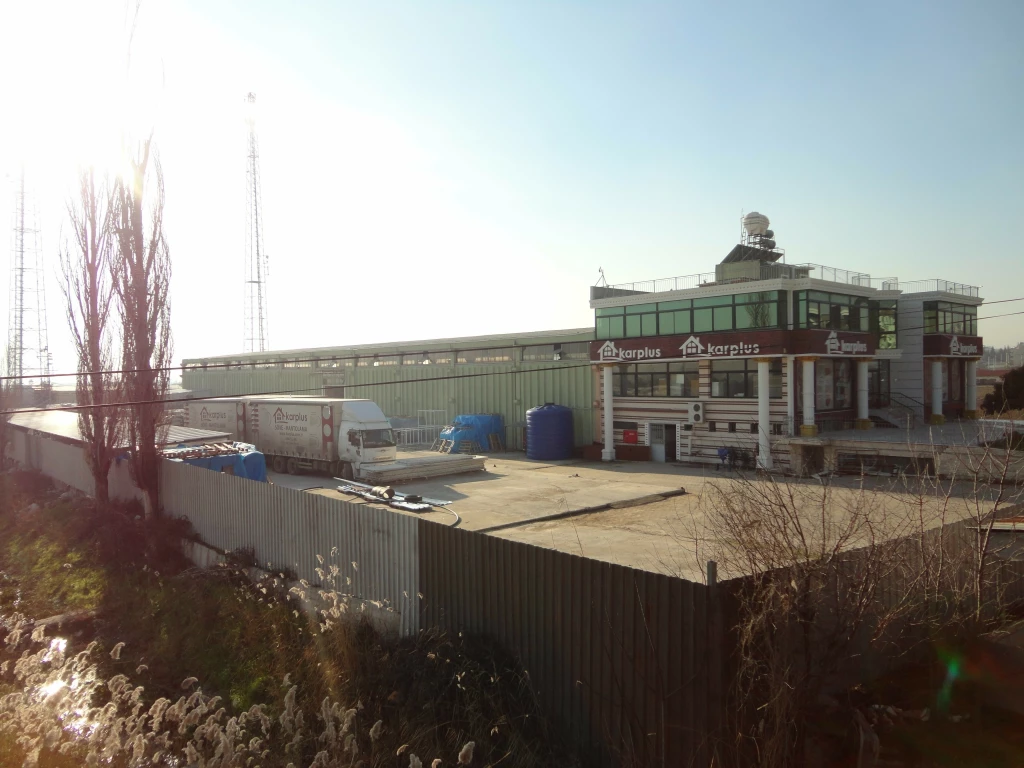 Karplıs Karplus